
Common Misconceptions About DPF Cleaning and Emission Control
SS
Understanding DPF Cleaning
Diesel Particulate Filters (DPF) are crucial for reducing emissions in diesel vehicles. However, there are many misconceptions surrounding DPF cleaning and its role in emission control. Understanding these misconceptions can help vehicle owners make informed decisions.
One common belief is that DPFs are designed to last the vehicle's lifetime without maintenance. In reality, DPFs require regular cleaning to function effectively. Over time, soot and ash accumulate, necessitating cleaning to maintain optimal performance.
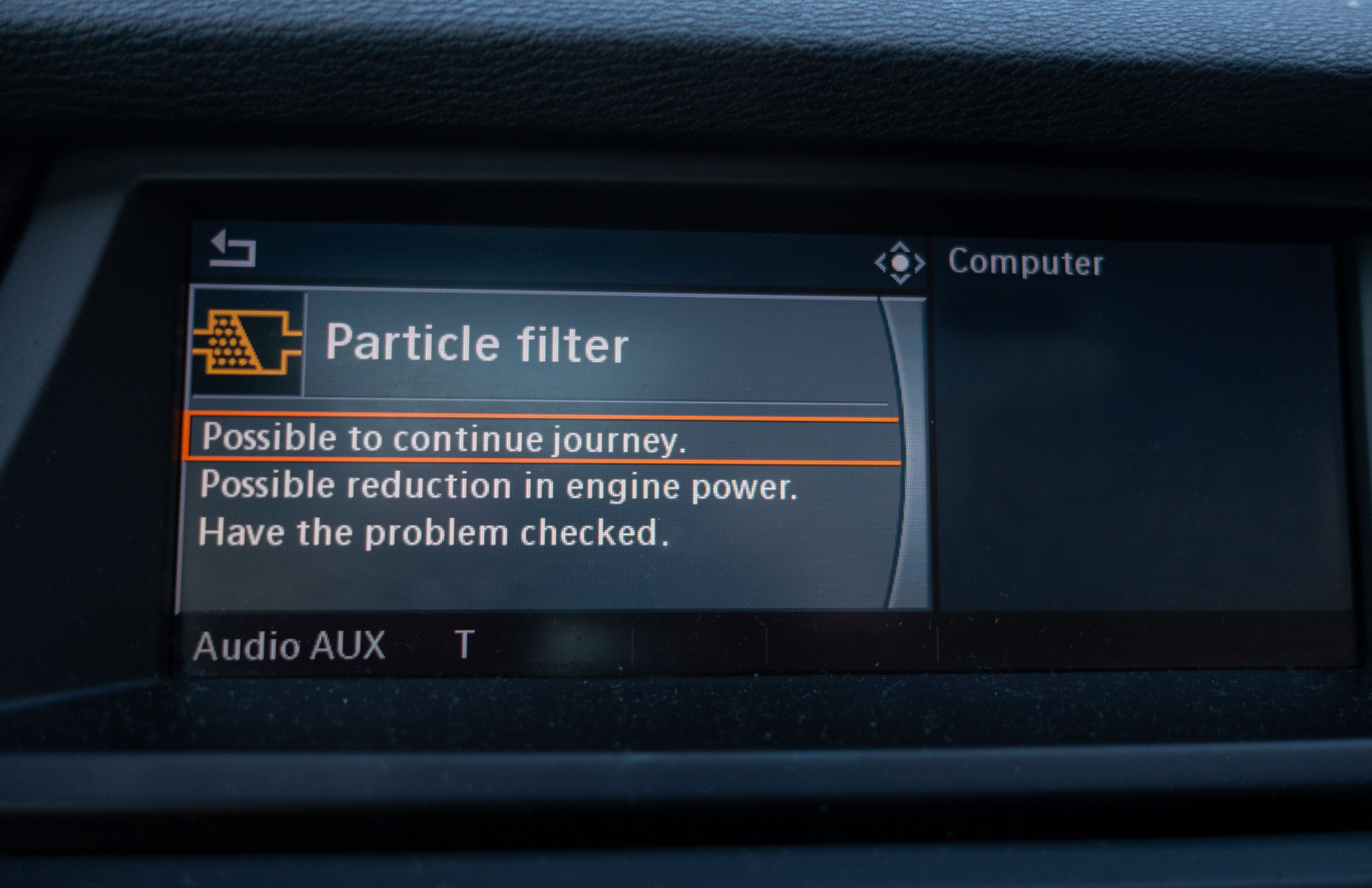
Misconception 1: DPF Cleaning Is Unnecessary
Some vehicle owners think DPF cleaning is optional. However, neglecting regular cleaning can lead to a clogged filter, which increases back pressure and affects engine performance. This can result in higher fuel consumption and increased emissions, counteracting the very purpose of the DPF.
Regular cleaning ensures that the filter remains effective, helping to maintain emission standards and engine efficiency. It is recommended to follow the manufacturer's guidelines for cleaning intervals to prevent issues.
Misconception 2: DIY Cleaning Methods Are Effective
Another misconception is that do-it-yourself (DIY) methods, such as using additives, are sufficient for cleaning a DPF. While additives can aid in the cleaning process, they are not a replacement for professional cleaning services. DIY methods often fail to remove all the accumulated soot and ash, potentially leading to long-term damage.
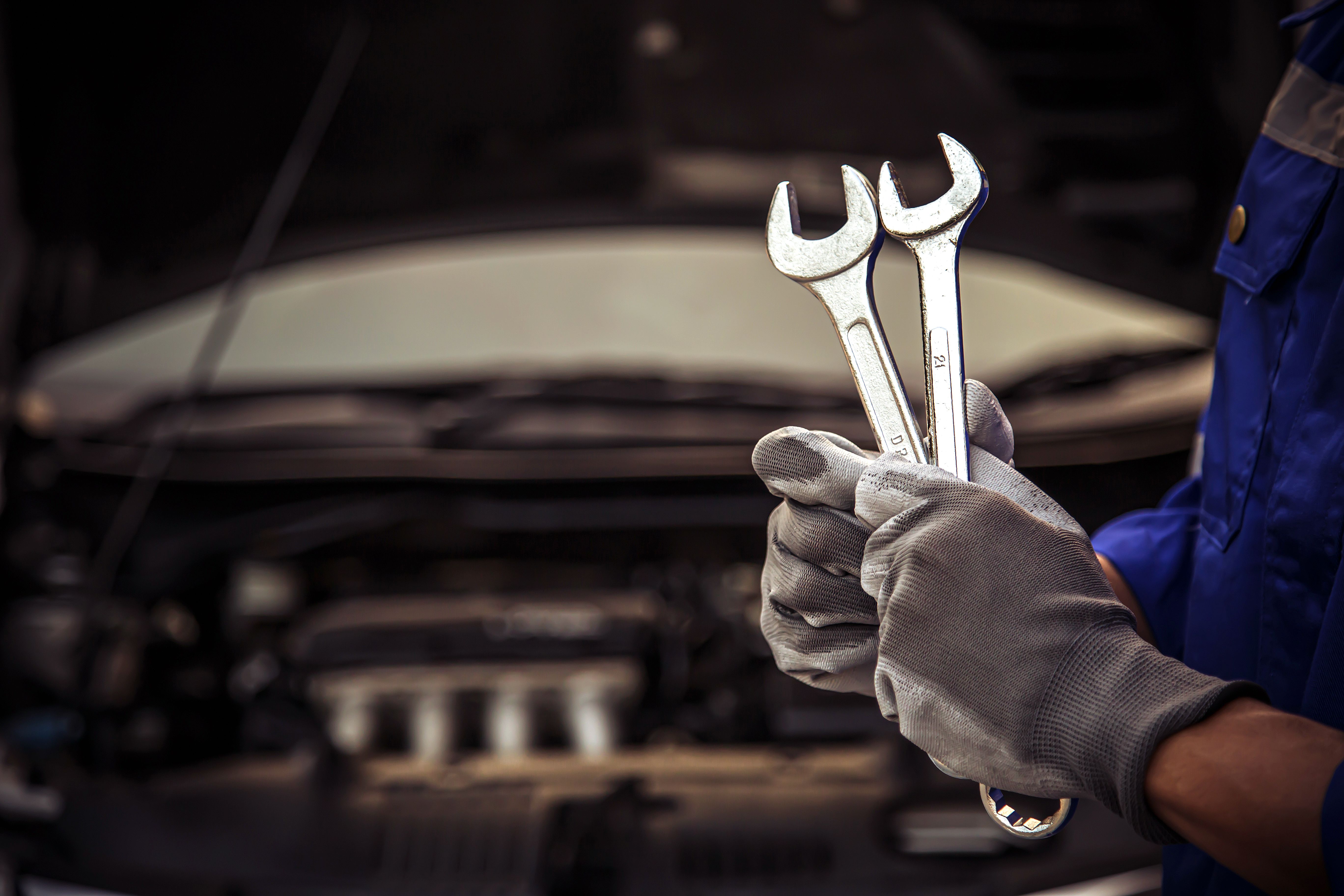
Professional DPF cleaning involves specialized equipment that thoroughly cleans the filter without damaging it. This ensures the DPF continues to perform effectively, keeping emissions low and the engine running smoothly.
Role of Emission Control
Emission control systems are designed to reduce harmful pollutants released into the atmosphere. A well-maintained DPF is a key component of this system, capturing soot particles before they exit the exhaust.
Misconception 3: Emission Control Is Only About Regulatory Compliance
Many assume that emission control systems are solely for meeting government regulations. While compliance is essential, effective emission control also benefits the environment and public health by reducing air pollution. This, in turn, can lead to cleaner air and a healthier community.

Understanding the broader impact of emission control can encourage vehicle owners to prioritize regular maintenance of their DPF systems.
Conclusion
Addressing these misconceptions can lead to better maintenance practices, ensuring both vehicle performance and environmental protection. Regular DPF cleaning and proper emission control are vital in reducing pollutants and enhancing engine efficiency.
By staying informed and following expert recommendations, vehicle owners can contribute to a cleaner environment while maintaining their vehicle's performance. Prioritizing these practices not only benefits individual vehicles but also aids in the global effort to reduce emissions and combat pollution.