Comprehensive Guide to Diesel Particulate Filters: How Do They Work?
SS
Understanding Diesel Particulate Filters
Diesel Particulate Filters (DPFs) play a crucial role in reducing emissions from diesel engines. These devices are designed to capture and store exhaust soot, preventing it from being released into the atmosphere. This guide will explore how DPFs work, their importance, and maintenance tips to ensure optimal performance.
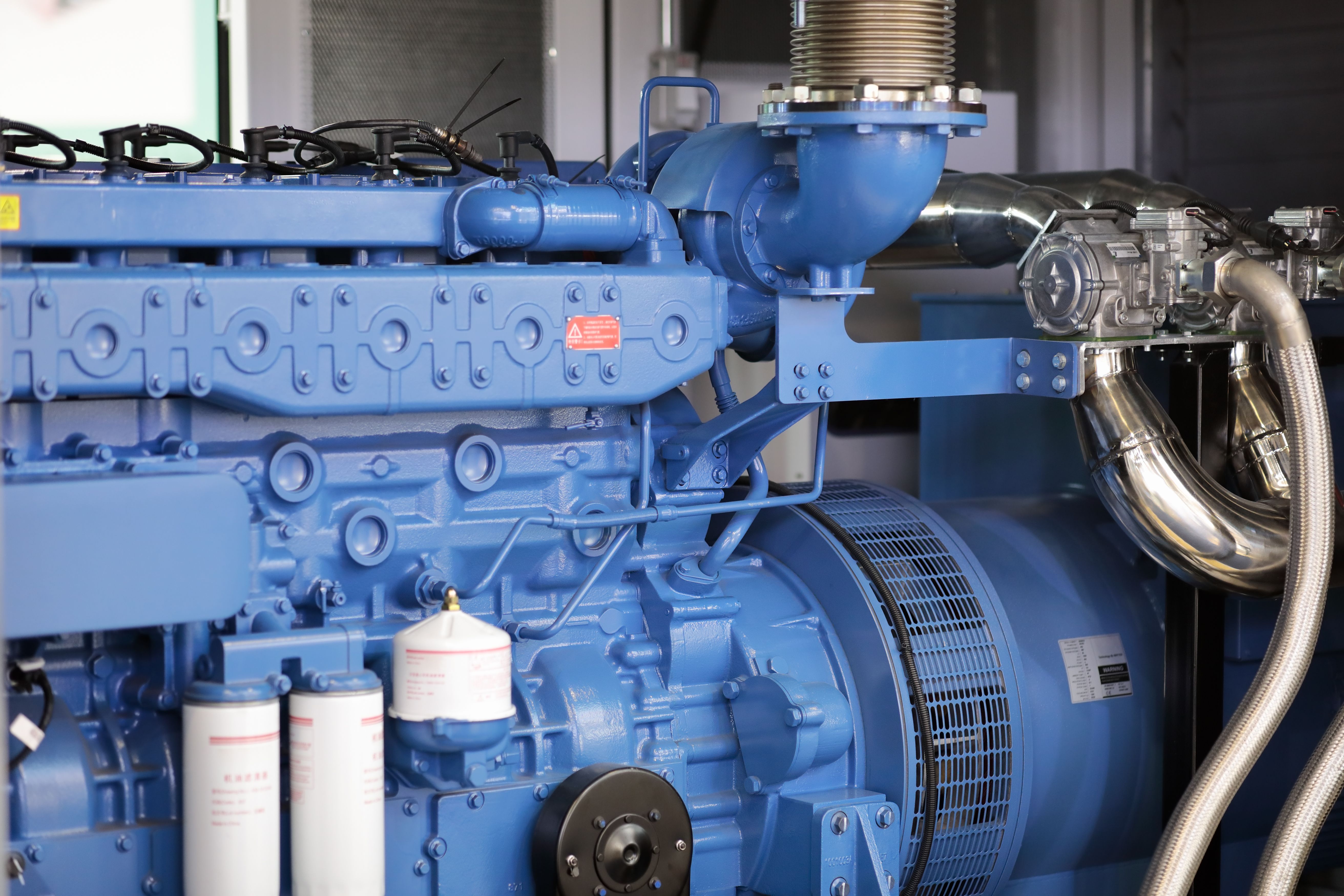
How Diesel Particulate Filters Work
DPFs are integrated into the exhaust system of diesel vehicles. They use a combination of physical filtration and chemical reactions to remove particulate matter. The filter traps soot particles, which are then oxidized and turned into ash during a process called regeneration. This process is essential for maintaining filter efficiency and preventing blockages.
Regeneration can occur in three ways:
- Passive regeneration: Happens naturally when the vehicle is driven at high speeds, allowing exhaust temperatures to rise sufficiently to burn off soot.
- Active regeneration: Triggered by the vehicle's engine control unit (ECU) when the soot level reaches a certain point, increasing exhaust temperature to initiate the burn-off.
- Forced regeneration: Conducted by a mechanic using specialized equipment when passive and active regeneration are insufficient.
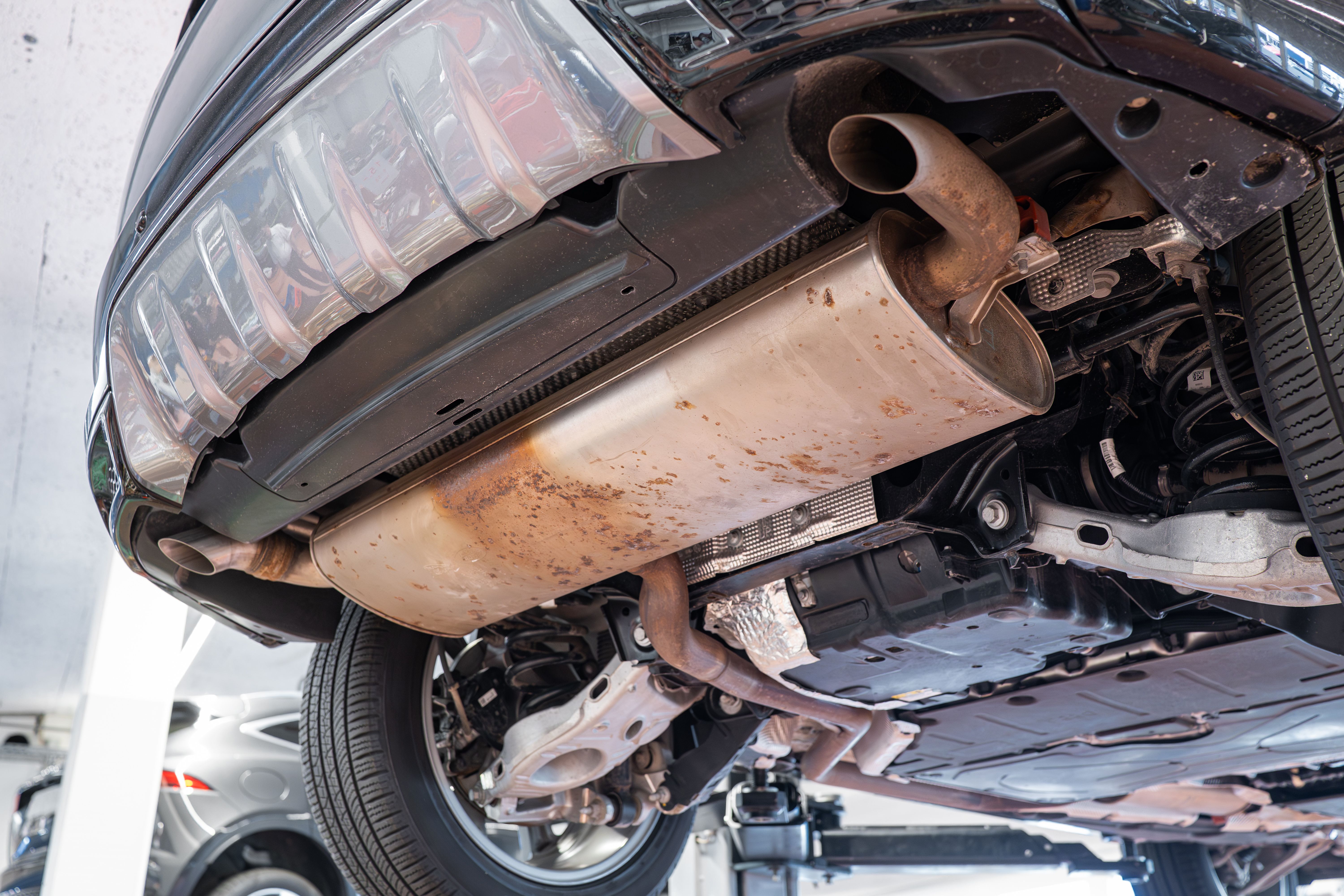
The Importance of DPFs
DPFs are critical in meeting environmental regulations by significantly reducing particulate emissions. They help in improving air quality and ensuring that diesel vehicles comply with legal emission standards. Without DPFs, diesel engines would emit high levels of harmful pollutants, contributing to air pollution and health issues.
Common Issues with DPFs
While DPFs are effective, they can face several issues, such as blockages and failures in the regeneration process. Blockages occur when the filter is not able to regenerate properly, often due to frequent short trips that prevent the engine from reaching the necessary temperatures. These problems can lead to decreased engine performance and increased fuel consumption.

Maintaining Your DPF
Proper maintenance of your DPF is essential to ensure its longevity and functionality. Here are some tips:
- Regularly drive at highway speeds to promote passive regeneration.
- Ensure your vehicle undergoes routine maintenance checks.
- Use the correct type of fuel and engine oil to avoid contamination.
- Be aware of warning lights indicating DPF issues and address them promptly.
Future of Diesel Particulate Filters
The technology behind DPFs continues to evolve, with advancements aimed at increasing efficiency and reducing maintenance needs. As emission standards become more stringent, DPFs will remain a vital component in the automotive industry. Innovations like improved filter materials and enhanced regeneration techniques are paving the way for cleaner diesel engines.
In conclusion, Diesel Particulate Filters are indispensable in the fight against air pollution. Understanding how they work and ensuring their proper maintenance can lead to better vehicle performance and a healthier environment. Stay informed and proactive about your DPF for the best results.