
Expert Advice: How Often Should You Clean Your DPF?
SS
Understanding the Importance of DPF Cleaning
The Diesel Particulate Filter (DPF) is a critical component in modern diesel engines, designed to reduce emissions by capturing soot and other particulates. Regular maintenance of your DPF is essential to ensure optimal engine performance and longevity. But how often should you clean your DPF? This is a common question among diesel vehicle owners.
Cleaning your DPF not only helps maintain engine efficiency but also prevents costly repairs. A clogged DPF can lead to increased fuel consumption and reduced engine power, making it vital to adhere to a proper cleaning schedule.
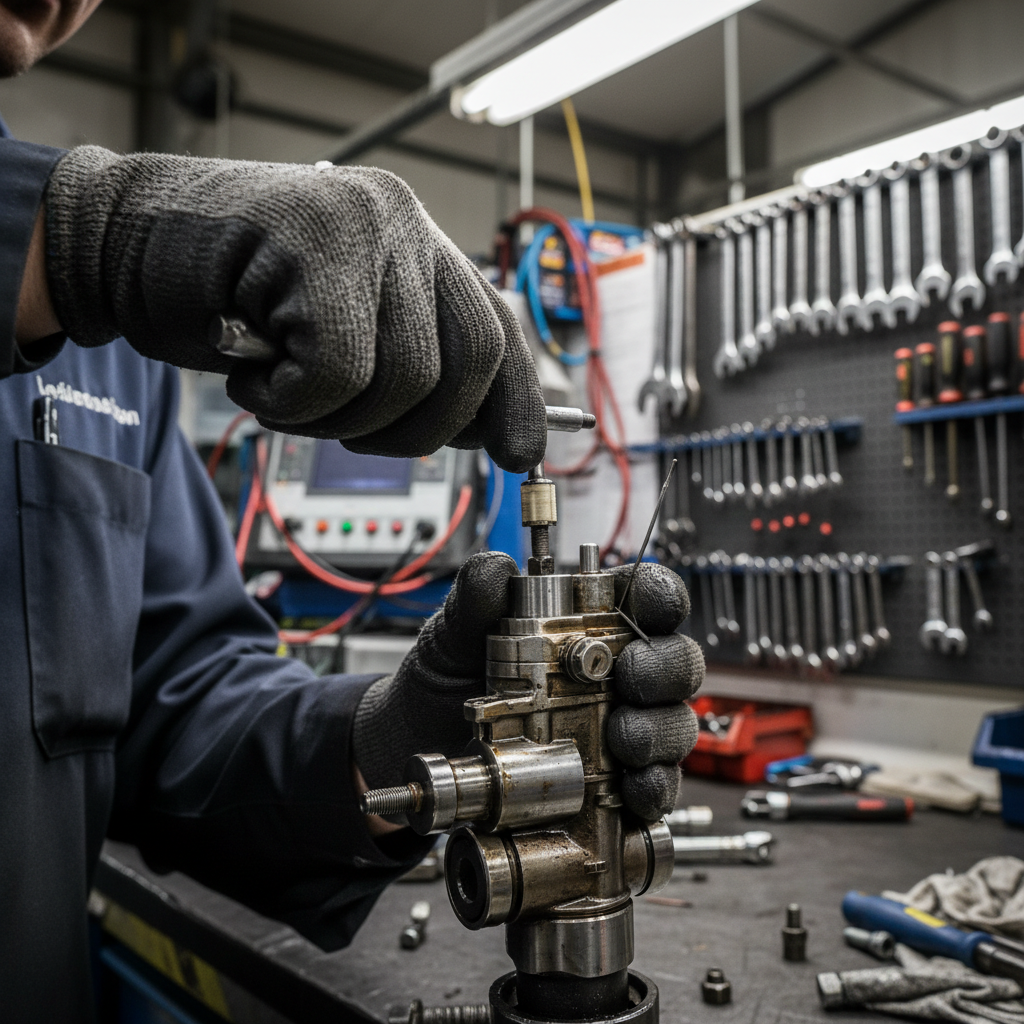
Signs Your DPF Needs Cleaning
Recognizing the signs of a clogged DPF can save you from unexpected breakdowns. Some common indicators include:
- Decreased fuel efficiency – If you notice a sudden drop in your vehicle’s miles per gallon (MPG), it might be time to check your DPF.
- Loss of power – A clogged filter restricts exhaust flow, leading to reduced engine power.
- Warning lights – Many modern vehicles have dashboard indicators that alert you to DPF issues.
Addressing these symptoms promptly can prevent more severe problems in the future.
Recommended Cleaning Frequency
The frequency of DPF cleaning depends on various factors such as vehicle usage, driving conditions, and engine type. Generally, it is advised to clean your DPF every 6 to 12 months. However, vehicles that are frequently used in urban settings or short trips may require more frequent attention due to increased soot buildup.
Consulting your vehicle’s manual or a trusted mechanic can provide specific guidance tailored to your driving habits and engine specifications.
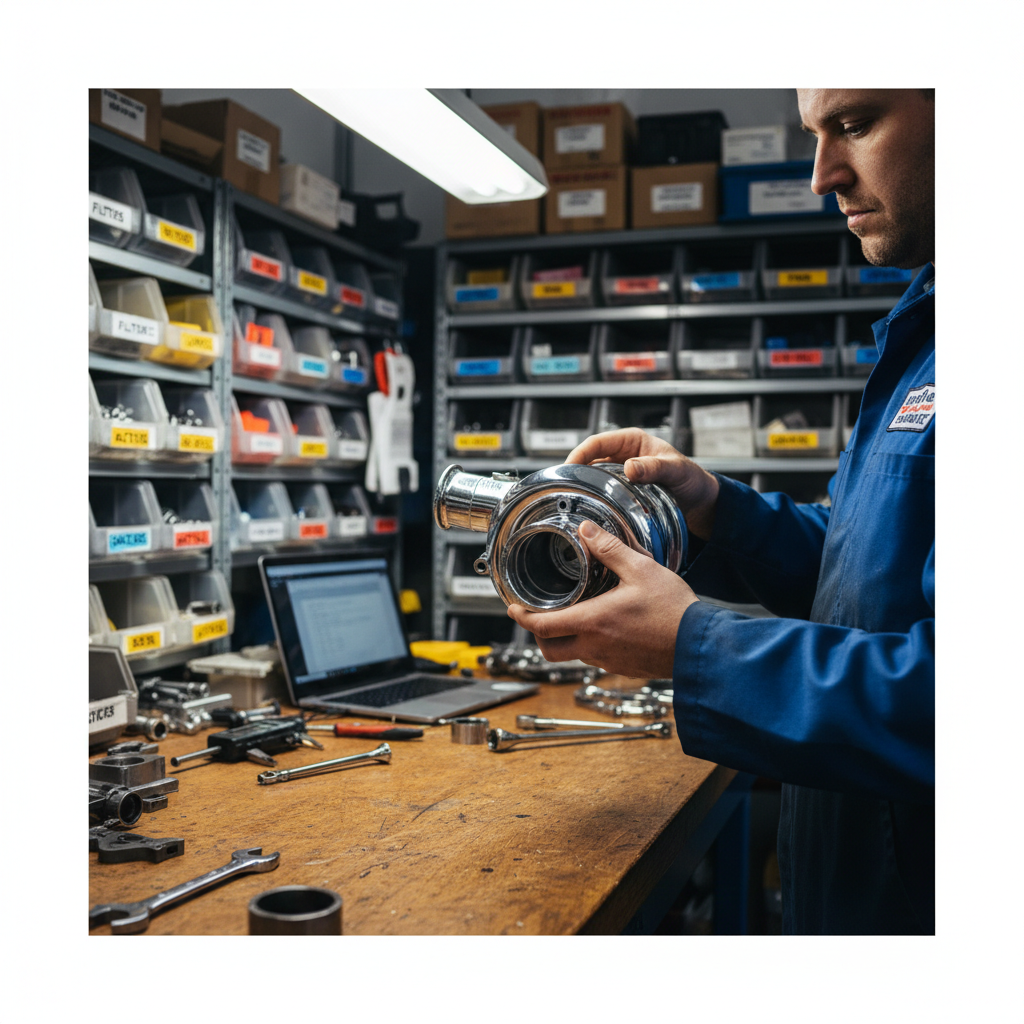
Methods for Cleaning Your DPF
There are several methods to clean a DPF, ranging from passive regeneration to manual cleaning. Understanding these options can help you choose the best approach for your vehicle.
- Passive Regeneration – This occurs automatically when the vehicle is driven at sustained speeds, allowing the DPF to burn off accumulated soot.
- Active Regeneration – The engine management system injects additional fuel to raise the exhaust temperature and burn off particulates.
- Manual Cleaning – Involves removing the DPF and using specialized equipment to clean it thoroughly.
Each method has its advantages, and consulting with a professional can help determine the most suitable option for your needs.
Preventive Measures to Extend DPF Life
Preventive maintenance is key to extending the life of your DPF. Regular highway driving, for example, can facilitate passive regeneration, reducing the need for frequent cleanings. Additionally, using high-quality diesel fuel and adhering to scheduled vehicle maintenance can significantly impact the health of your DPF.

By integrating these practices into your routine, you can enhance your vehicle’s performance and ensure a longer lifespan for your DPF.