
How Does a Diesel Particulate Filter Work? A Comprehensive Guide
SS
Understanding Diesel Particulate Filters
Diesel Particulate Filters (DPFs) are critical components in modern diesel engines, designed to reduce emissions and improve air quality. These filters capture and store soot particles from the exhaust gas, preventing them from being released into the atmosphere. Understanding how DPFs work can help vehicle owners maintain their efficiency and prolong their lifespan.
The Structure of a Diesel Particulate Filter
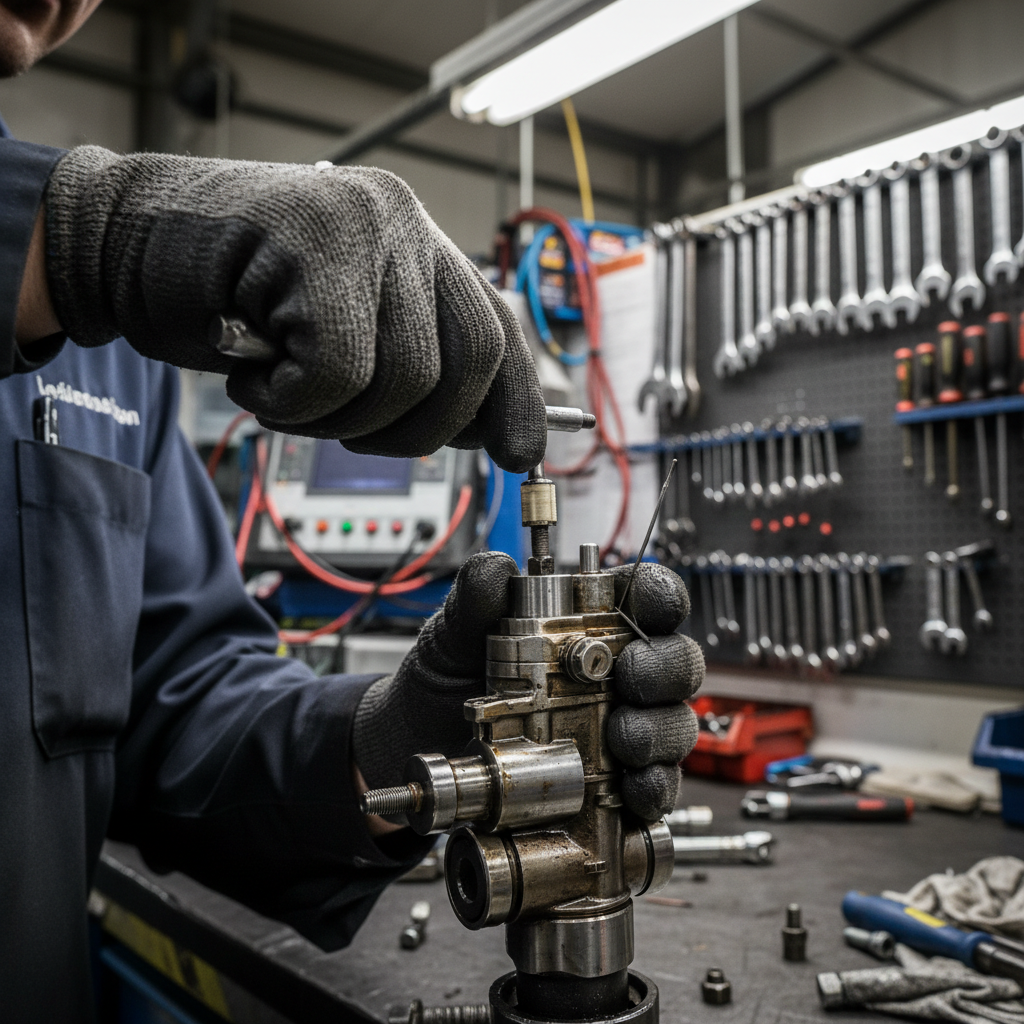
A DPF is typically made from a ceramic material that forms a honeycomb-like structure. This design maximizes the surface area available for trapping soot while maintaining a compact size. The honeycomb is coated with a catalyst that assists in the oxidation of the trapped particles, allowing them to be converted into less harmful substances.
The Role of Catalysts
Catalysts within the DPF play a vital role in the filtration process. They facilitate the chemical reactions needed to convert soot into carbon dioxide and water vapor. This process, known as regeneration, ensures that the filter does not become clogged with particles, which could otherwise lead to reduced engine performance.
The Regeneration Process
Regeneration is a crucial aspect of DPF functionality, allowing the filter to clean itself and maintain performance. There are two main types of regeneration: passive and active. Understanding these processes is key to ensuring the DPF operates effectively.
Passive Regeneration
Passive regeneration occurs naturally during regular vehicle operation when exhaust temperatures are high enough to burn off the accumulated soot. This typically happens during long drives at highway speeds, where the engine generates sufficient heat for the process.

Active Regeneration
Active regeneration is initiated by the vehicle's engine control unit (ECU) when passive regeneration is insufficient. The ECU increases exhaust temperatures by adjusting engine parameters or injecting additional fuel. This process helps burn off the soot, ensuring the DPF remains clear and functional.
Maintaining Your Diesel Particulate Filter
Proper maintenance of a DPF is essential for optimal performance and longevity. Regularly following manufacturer recommendations can help prevent common issues such as clogging. Vehicle owners should be aware of driving habits, as frequent short trips may prevent sufficient regeneration.
Signs of DPF Issues
Common signs of DPF problems include a warning light on the dashboard, reduced engine performance, or increased fuel consumption. If these symptoms appear, it is crucial to address them promptly to avoid more severe damage.
Conclusion
Diesel Particulate Filters are essential for reducing emissions from diesel engines. By understanding their operation and maintenance needs, vehicle owners can ensure their DPF functions effectively, contributing to a cleaner environment and maintaining engine health. Regular checks and being mindful of driving patterns can significantly extend the life of your DPF.