
How to Clean a Diesel Particulate Filter: DIY Tips and Expert Advice
SS
Diesel engines are known for their durability and efficiency, but they require regular maintenance to perform at their best. One critical component of these engines is the Diesel Particulate Filter (DPF), which traps soot and other particulates to reduce emissions. Over time, the DPF can become clogged, affecting engine performance. Learning how to clean a DPF can save you time and money.
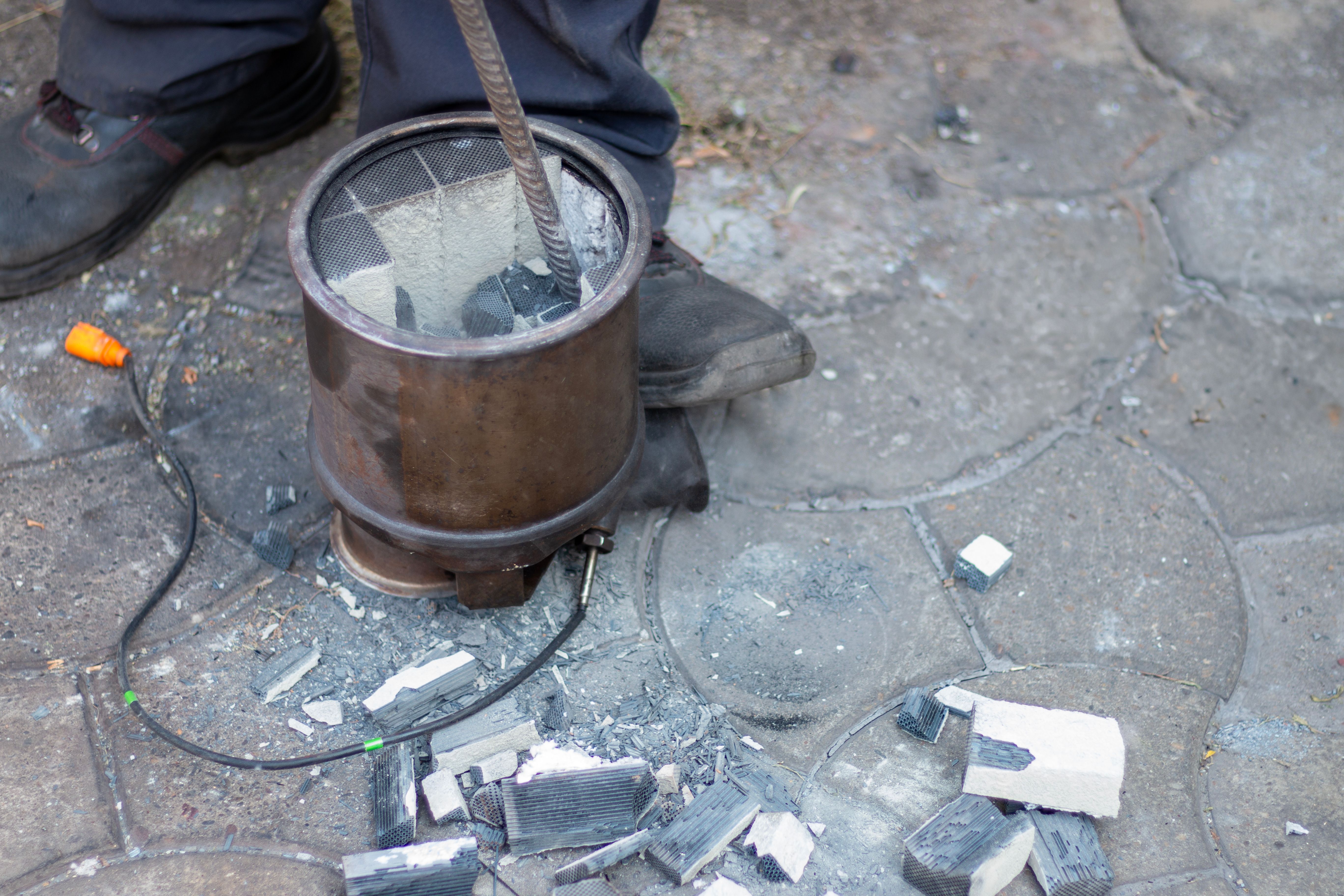
Understanding the Diesel Particulate Filter
The DPF is an essential part of the emissions control system in diesel vehicles. Its primary function is to capture and store exhaust soot to prevent it from entering the atmosphere. However, the filter must be cleaned periodically to maintain engine efficiency and comply with emissions standards.
When the DPF becomes clogged, it can lead to increased exhaust backpressure and reduced fuel efficiency. In severe cases, it may cause engine damage. Recognizing the signs of a clogged DPF is crucial for timely maintenance.
Signs of a Clogged DPF
There are several indicators that your DPF may be clogged:
- Reduced engine performance
- Increased fuel consumption
- Warning lights on the dashboard
- Unusual exhaust sounds
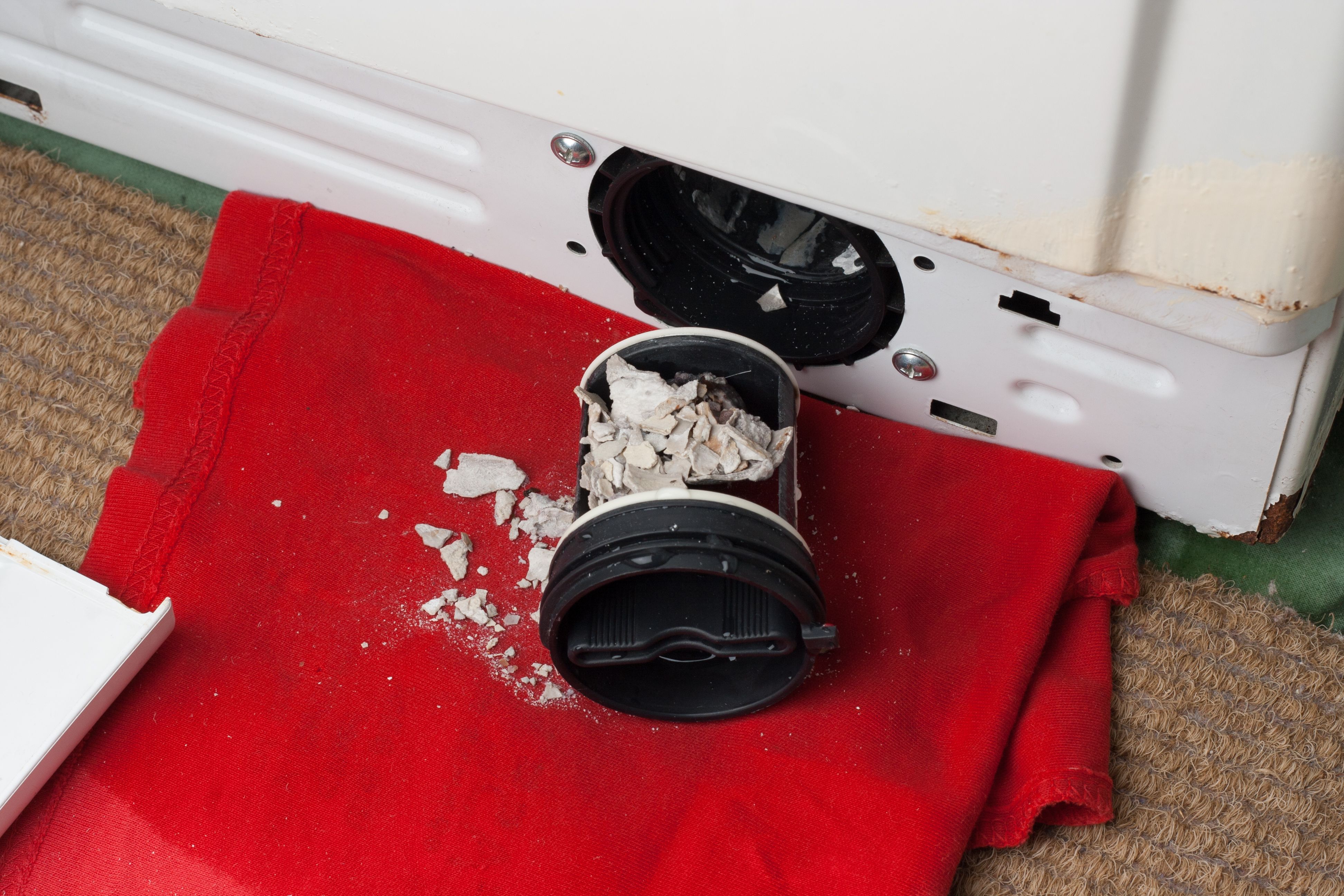
DIY Cleaning Tips
Cleaning a DPF yourself can be a cost-effective option, but it requires careful attention. Here are some steps you can follow:
- Ensure your vehicle is parked on a flat surface and the engine is cool.
- Remove the DPF following the manufacturer's instructions.
- Use a DPF cleaning solution to dissolve soot and ash build-up.
- Rinse the filter thoroughly with water and let it dry completely.
- Reinstall the DPF and reset any warning lights using a diagnostic tool.
Always wear protective gear, such as gloves and safety glasses, when handling chemicals and parts.
When to Seek Professional Help
While DIY cleaning can be effective, there are situations where professional assistance is necessary. If the DPF is damaged or severely clogged, a professional service may be required. Technicians have access to specialized equipment designed for thorough cleaning or replacement.
Additionally, if you are uncomfortable performing the cleaning yourself, seeking expert advice can prevent costly mistakes. A professional can also check for related issues that might affect the DPF's performance.
Maintaining Your DPF
Regular maintenance is key to extending the life of your DPF. Here are some tips to keep it in top condition:
- Use high-quality diesel fuel.
- Follow the vehicle's maintenance schedule.
- Drive at higher speeds periodically to allow the DPF to regenerate.
By taking these steps, you can ensure that your diesel engine remains efficient and environmentally friendly.