
Top Green Automotive Service Trends in the DPF Industry
SS
Introduction to Green Automotive Service Trends
The push towards sustainability is transforming various industries, and the automotive service sector is no exception. In particular, the Diesel Particulate Filter (DPF) industry is witnessing several green trends that are reshaping how services are delivered and consumed. These trends are not only aiding in reduced emissions but are also promoting more efficient and eco-friendly automotive practices.

Eco-Friendly DPF Cleaning Methods
Traditional methods of cleaning DPFs often involve chemicals that can be harmful to the environment. However, there is a shift towards more eco-friendly cleaning solutions. Hydrodynamic cleaning, which uses high-pressure water jets, is gaining popularity as a chemical-free alternative. This method effectively removes soot and ash without leaving a negative environmental footprint.
Biodegradable Cleaning Agents
In cases where chemical cleaning is unavoidable, there is a growing trend towards using biodegradable cleaning agents. These agents break down more easily in the environment, reducing the potential for pollution. By choosing biodegradable options, service providers can maintain performance while minimizing their ecological impact.

Recycling and Reusing DPF Components
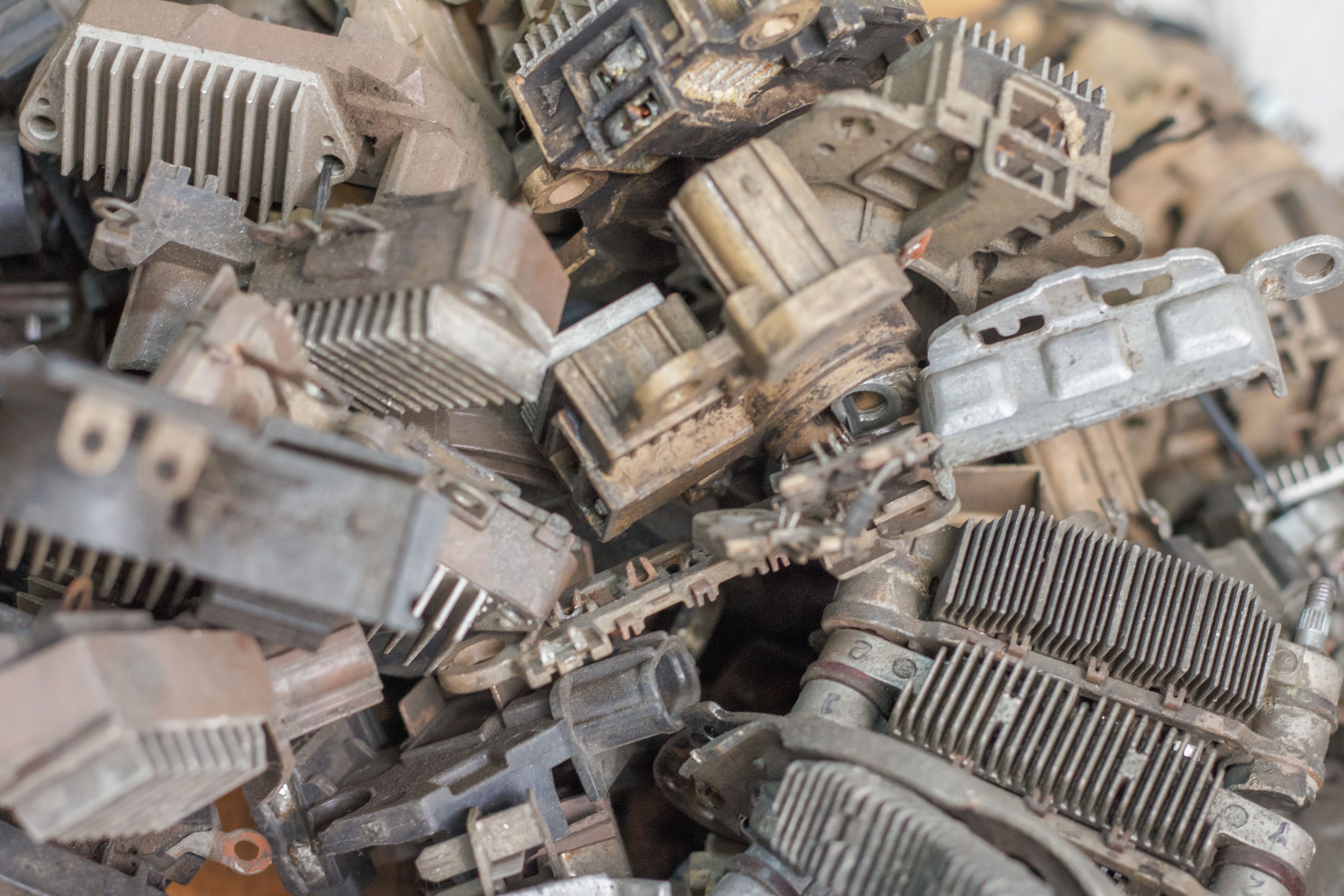
Another significant trend in the DPF industry is the focus on recycling and reusing components. This approach not only conserves resources but also reduces waste. By refurbishing used filters and other parts, companies are able to offer cost-effective solutions that align with green principles.
Remanufacturing Initiatives
Remanufacturing involves restoring used DPFs to their original condition. This process is both environmentally and economically beneficial. It reduces the need for new raw materials and cuts down on emissions associated with manufacturing new filters. As a result, remanufacturing has become a popular choice among environmentally conscious service providers.
Advanced Diagnostic Technologies
Technological advancements have introduced new diagnostic tools that are less invasive and more accurate. These tools help in early detection of DPF issues, allowing for timely maintenance and reducing the likelihood of complete replacements, which can be resource-intensive.
Sensor-Based Monitoring
Sensor-based monitoring systems are being integrated into vehicles to provide real-time data on the condition of DPFs. This technology enables proactive maintenance, ensuring that filters are serviced only when necessary, thus conserving energy and resources.
Conclusion
The DPF industry's shift towards green automotive service trends reflects a broader commitment to sustainability. By adopting eco-friendly cleaning methods, embracing recycling initiatives, and utilizing advanced diagnostic technologies, the industry is making significant strides in reducing its environmental impact. These trends are not only beneficial for the planet but also offer economic advantages for businesses and consumers alike.