
Understanding Diesel Particulate Filters: How They Work and Why They Matter
SS
What is a Diesel Particulate Filter?
A Diesel Particulate Filter (DPF) is a critical component in modern diesel engines, designed to remove soot and other particulates from the exhaust gas. These filters are essential in reducing the emissions of harmful pollutants that can contribute to air pollution and health problems.
DPFs work by trapping and storing exhaust soot until it can be burned off during a process called regeneration. This ensures that the vehicle emits fewer pollutants into the atmosphere, making diesel engines more environmentally friendly.
How Do Diesel Particulate Filters Work?
The core function of a DPF is to capture and store soot particles from the engine exhaust. The filter consists of a honeycomb structure made of ceramic materials, which provides a large surface area to trap particulates.
Once enough soot has been collected, the DPF undergoes regeneration. This process can occur passively, using the heat from the exhaust, or actively, by injecting additional fuel to raise the exhaust temperature. During regeneration, the soot is burned off and converted into less harmful gases.
Types of Regeneration
There are three main types of regeneration:
- Passive Regeneration: Occurs automatically when the exhaust temperature is high enough.
- Active Regeneration: Initiated by the vehicle's engine management system to increase exhaust temperature.
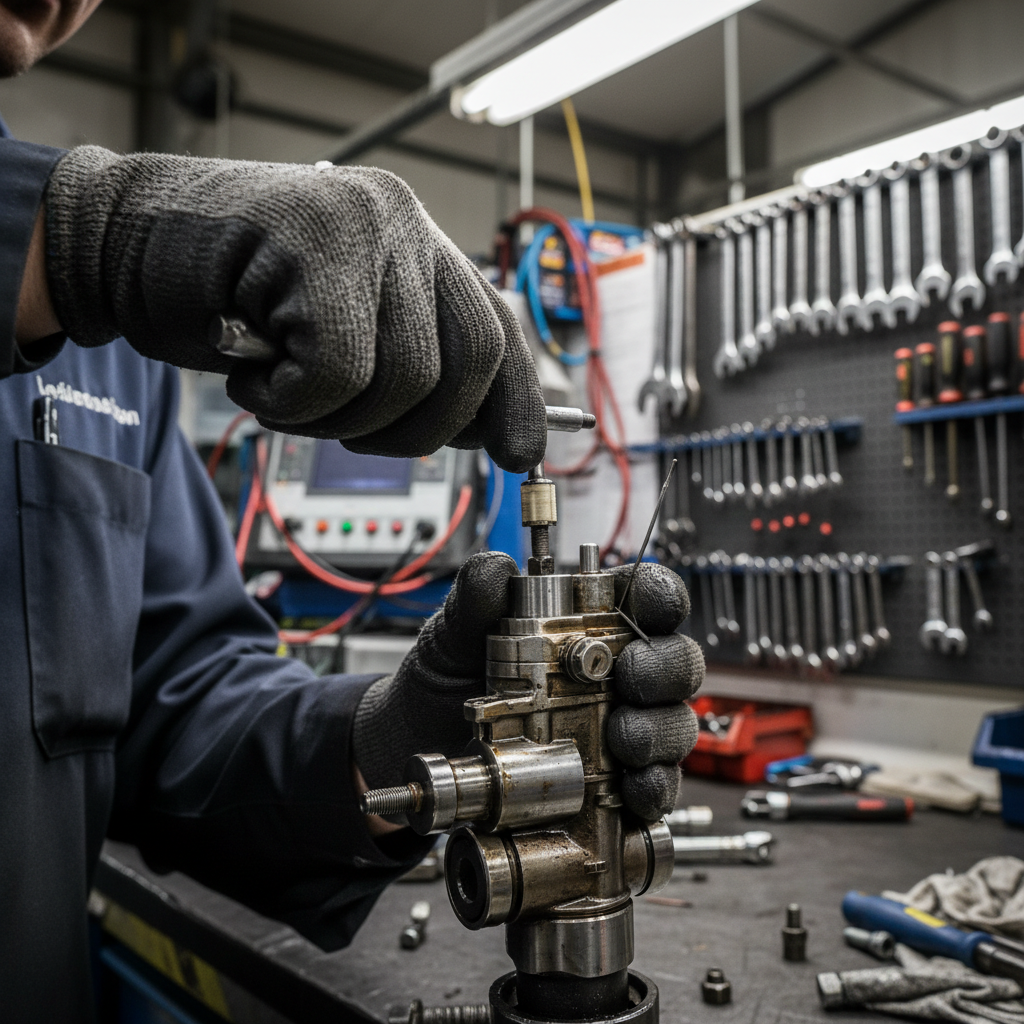
- Forced Regeneration: Carried out by a mechanic using specialized equipment when other methods fail.

Why Diesel Particulate Filters Matter
DPFs play a crucial role in reducing air pollution. By capturing soot and other particulates, they help decrease the emission of pollutants that can cause respiratory issues and environmental damage. This is particularly important in urban areas where air quality is a significant concern.
Furthermore, adhering to emission standards is vital for vehicle manufacturers. Regulations in many countries require vehicles to meet specific emission targets, which makes the DPF an essential component in modern diesel cars.
Maintenance and Challenges
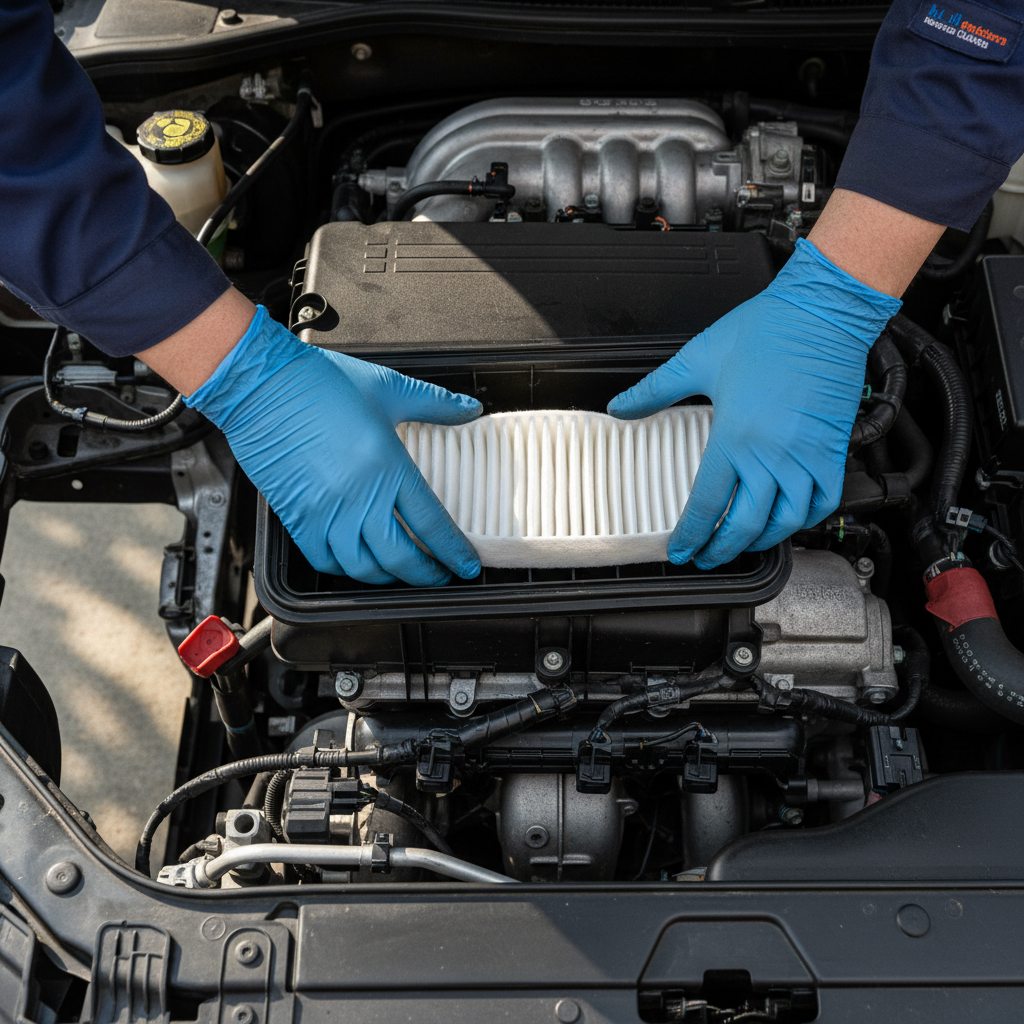
While DPFs are effective, they require regular maintenance to function correctly. Blocked filters can lead to reduced engine performance and increased fuel consumption. It is essential for vehicle owners to be aware of the signs of a blocked DPF, such as a loss of power or increased exhaust smoke.
Regular servicing and understanding the vehicle's regeneration process can help prevent costly repairs and ensure the DPF continues to operate efficiently.
The Future of Diesel Particulate Filters
As technology advances, DPFs are becoming more efficient and less prone to blockages. Innovations in filter materials and regeneration techniques continue to improve their performance and longevity.
As emission standards become stricter, the role of DPFs in reducing environmental impact will only grow more significant. They are a key component in the ongoing effort to make diesel engines cleaner and more sustainable.
Understanding how DPFs work and their importance not only helps vehicle owners maintain their cars better but also contributes to a more informed and environmentally conscious society.