
Understanding How Diesel Particulate Filters Work: A Comprehensive Guide
SS
Diesel Particulate Filters (DPFs) play a crucial role in reducing emissions from diesel engines. As environmental regulations become stricter, understanding how DPFs work is essential for anyone involved with diesel vehicles.
A DPF is designed to capture and store exhaust soot, preventing harmful particles from being released into the atmosphere. This technology is vital for reducing air pollution and ensuring compliance with emissions standards.
What is a Diesel Particulate Filter?
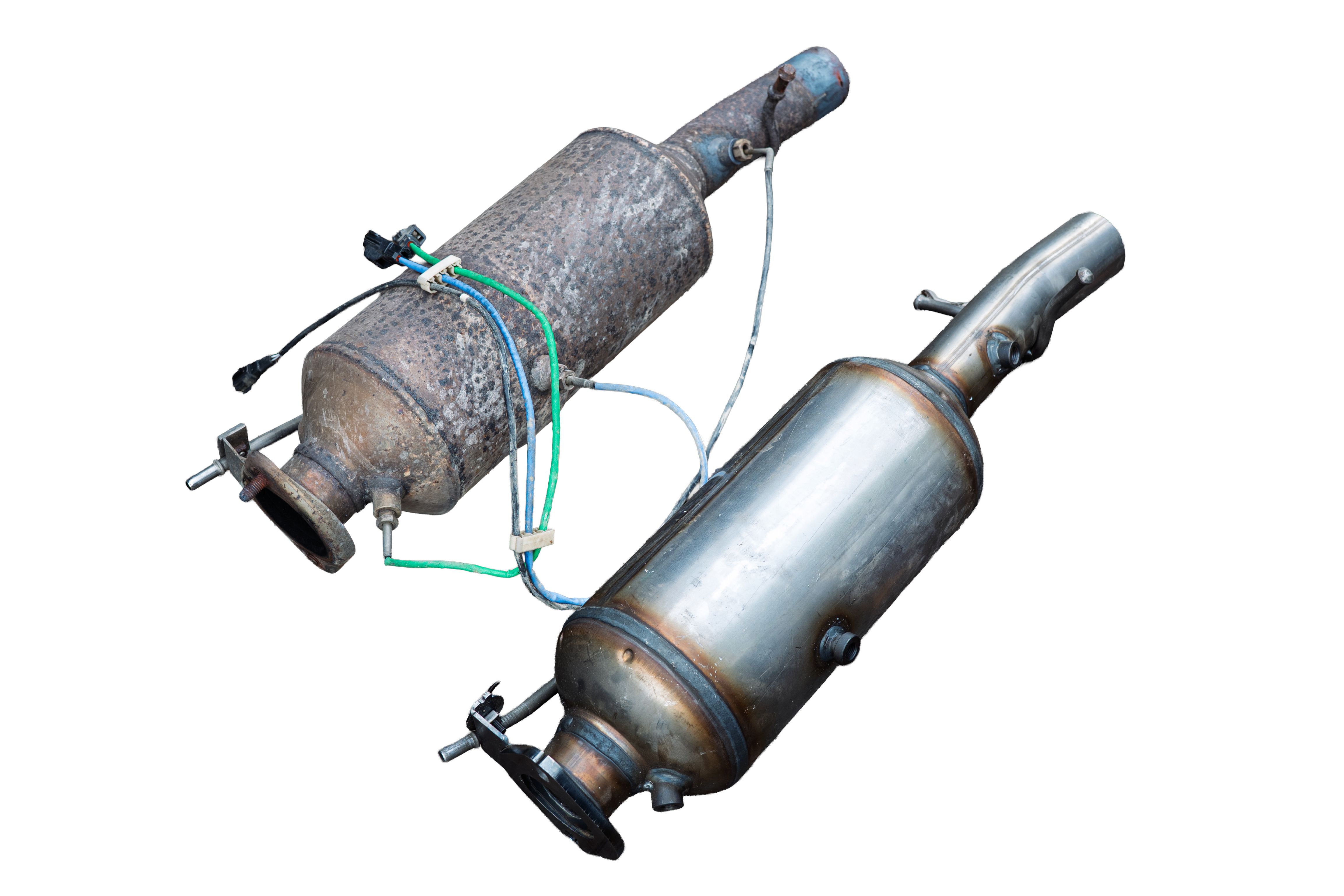
A Diesel Particulate Filter is a device incorporated into the exhaust system of diesel vehicles. It is specifically engineered to trap soot particles produced during the combustion process. Over time, these particles accumulate within the filter and need to be periodically removed.
The DPF is composed of a honeycomb structure made from materials like ceramic or silicon carbide. This structure provides a large surface area for capturing soot while allowing exhaust gases to pass through.
Why Are DPFs Important?
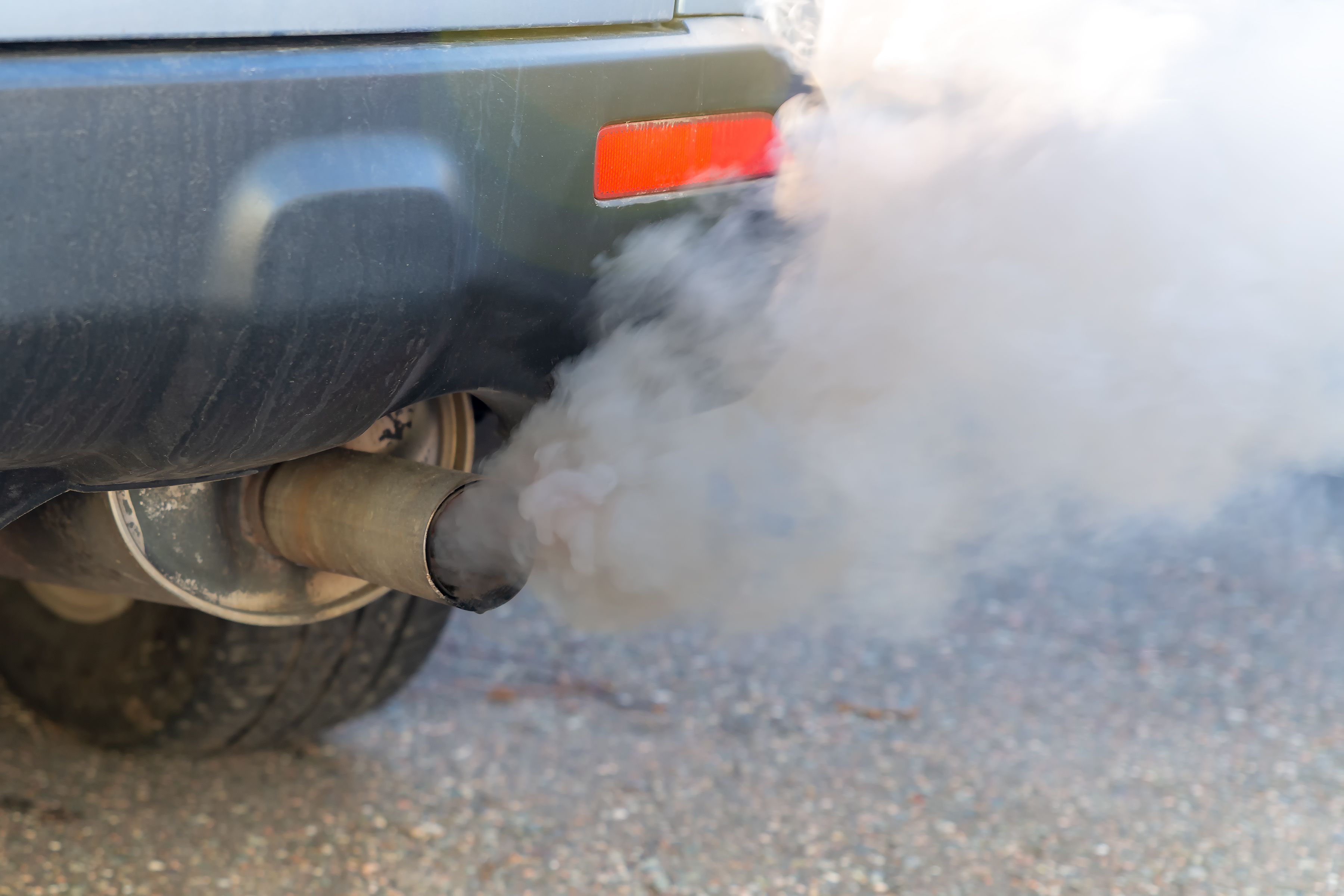
DPFs are essential for reducing the environmental impact of diesel engines. By trapping and storing soot particles, they significantly decrease the amount of harmful emissions released into the air. This reduction in emissions helps improve air quality and public health.
How Do DPFs Work?
The operation of a DPF involves two main processes: capturing soot particles and regenerating the filter. When exhaust gases pass through the filter, soot particles are trapped in the walls of the honeycomb structure.
Over time, the trapped soot can clog the filter, requiring a process called regeneration to clean it. Regeneration involves burning off the accumulated soot, converting it into harmless gases like carbon dioxide. This can occur passively or actively, depending on the vehicle's system.
Types of Regeneration
There are two primary types of regeneration:
- Passive Regeneration: This occurs naturally when the exhaust temperature is high enough to burn off soot. It usually happens during long drives at constant speeds.
- Active Regeneration: This is initiated by the vehicle's engine control unit. It increases the exhaust temperature through various means, such as injecting extra fuel, to ensure the soot is burned off.
Maintaining a Diesel Particulate Filter
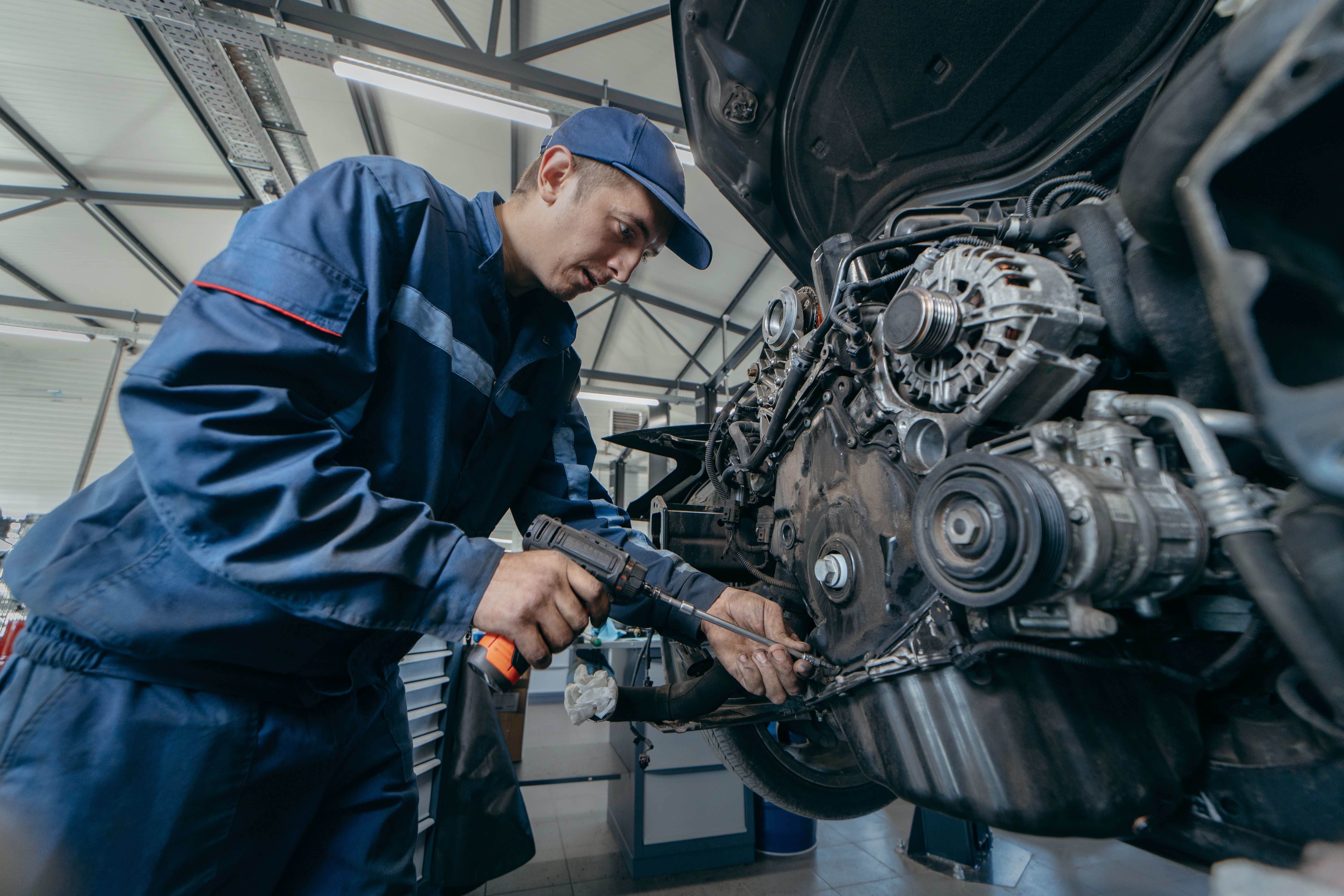
Proper maintenance of a DPF is crucial for its long-term functionality. Regular driving at highway speeds can help facilitate passive regeneration, preventing the filter from becoming clogged.
If the DPF becomes too clogged, it may require a manual cleaning or even replacement. It's important to follow manufacturer guidelines and consult a professional if any warning lights related to the DPF illuminate on the dashboard.
Common Issues with DPFs
Some common issues with DPFs include:
- Clogging: Caused by short trips and low-speed driving that prevent regeneration.
- Warning Lights: Indicators of potential problems requiring immediate attention.
- Increased Fuel Consumption: Can occur if the DPF is not functioning efficiently.
Understanding and maintaining your DPF is vital for ensuring your vehicle runs efficiently and meets environmental standards. By regular maintenance and awareness of its operation, you can contribute to a cleaner environment.