
Understanding Local Regulations for Vehicle Emissions in Melbourne
SS
Introduction to Vehicle Emission Regulations
Vehicle emissions are a significant contributor to air pollution. In Melbourne, local authorities have implemented regulations to address this issue and promote cleaner air. Understanding these regulations is crucial for vehicle owners and businesses operating in the area.
Melbourne's approach to managing vehicle emissions involves both federal and state-level policies. These are designed to reduce harmful pollutants and ensure that the city meets environmental standards. Let's explore these regulations further.
State and Federal Regulations
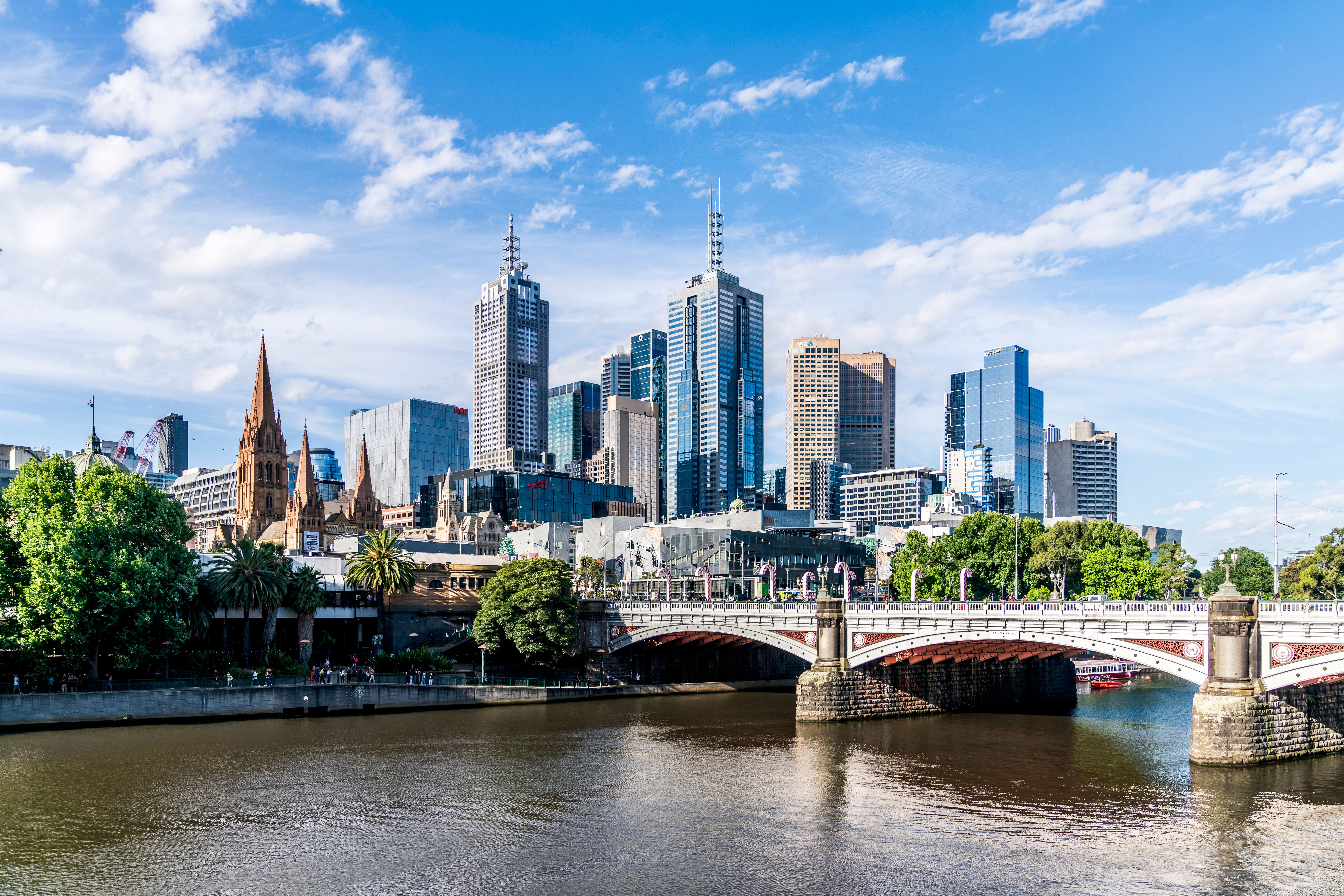
At the federal level, Australia has established the Australian Design Rules (ADRs), which set the standards for vehicle emissions across the country. These rules apply to new vehicles and are crucial for ensuring manufacturers adhere to emission limits.
On the state level, Victoria, where Melbourne is located, has additional regulations that complement the ADRs. The state government actively monitors air quality and enforces laws to reduce pollution from older vehicles. This includes regular vehicle inspections and emission testing.
Understanding the Key Pollutants
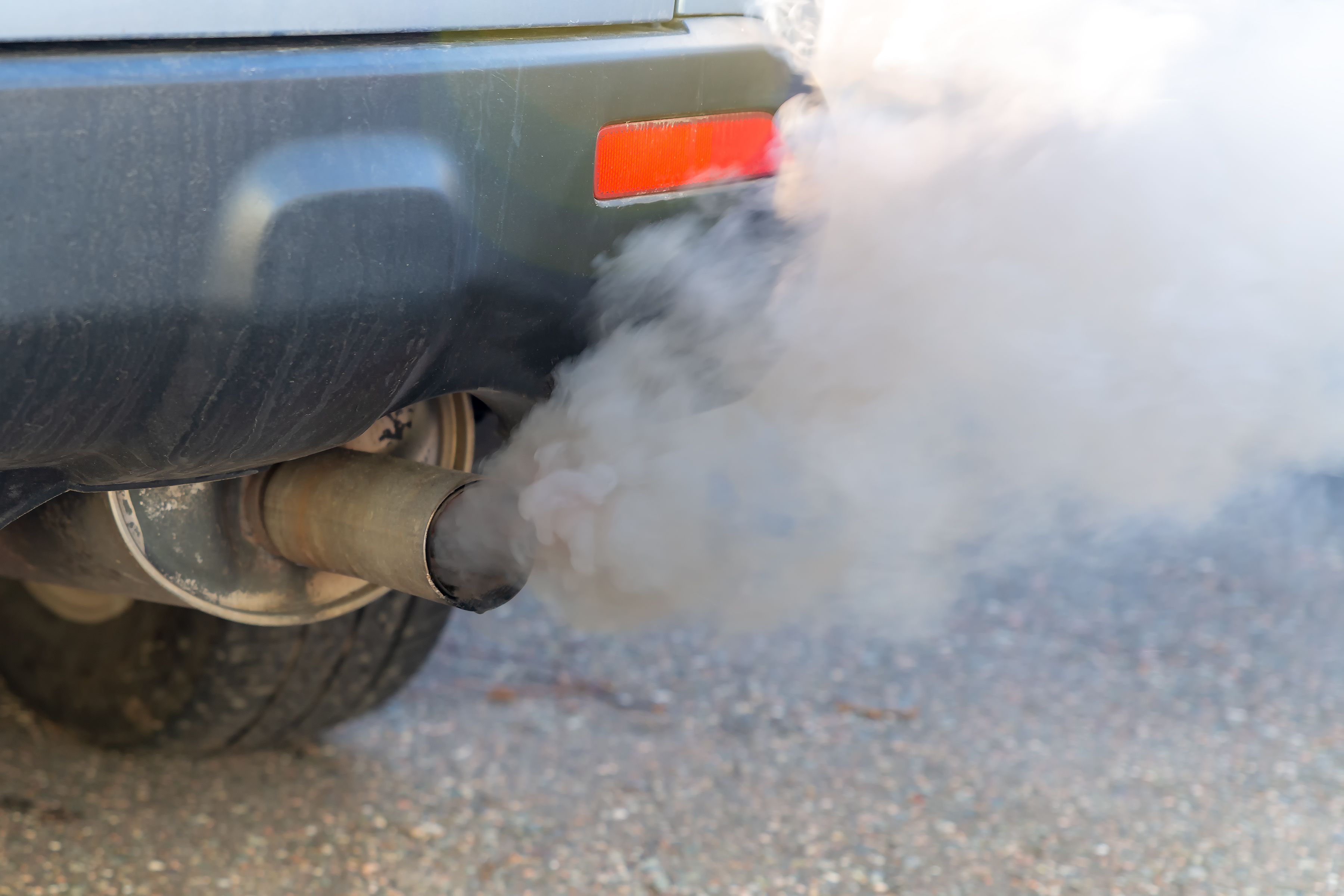
Vehicle emissions consist of several pollutants, including carbon monoxide (CO), nitrogen oxides (NOx), and particulate matter (PM). These pollutants can have severe health impacts and contribute to environmental issues such as smog and acid rain.
Efforts to control these emissions focus on reducing the levels of these harmful substances in the air. Vehicle owners are encouraged to maintain their cars properly to minimize emissions.
Impact on Vehicle Owners
For vehicle owners in Melbourne, complying with emission regulations is not only a legal requirement but also a responsibility towards the community. Regular maintenance, such as servicing engines and checking exhaust systems, plays a vital role in reducing emissions.
Additionally, owners of older vehicles may be required to undergo more frequent inspections. This ensures that their vehicles meet the necessary emission standards and contribute to cleaner air.
Incentives for Cleaner Vehicles
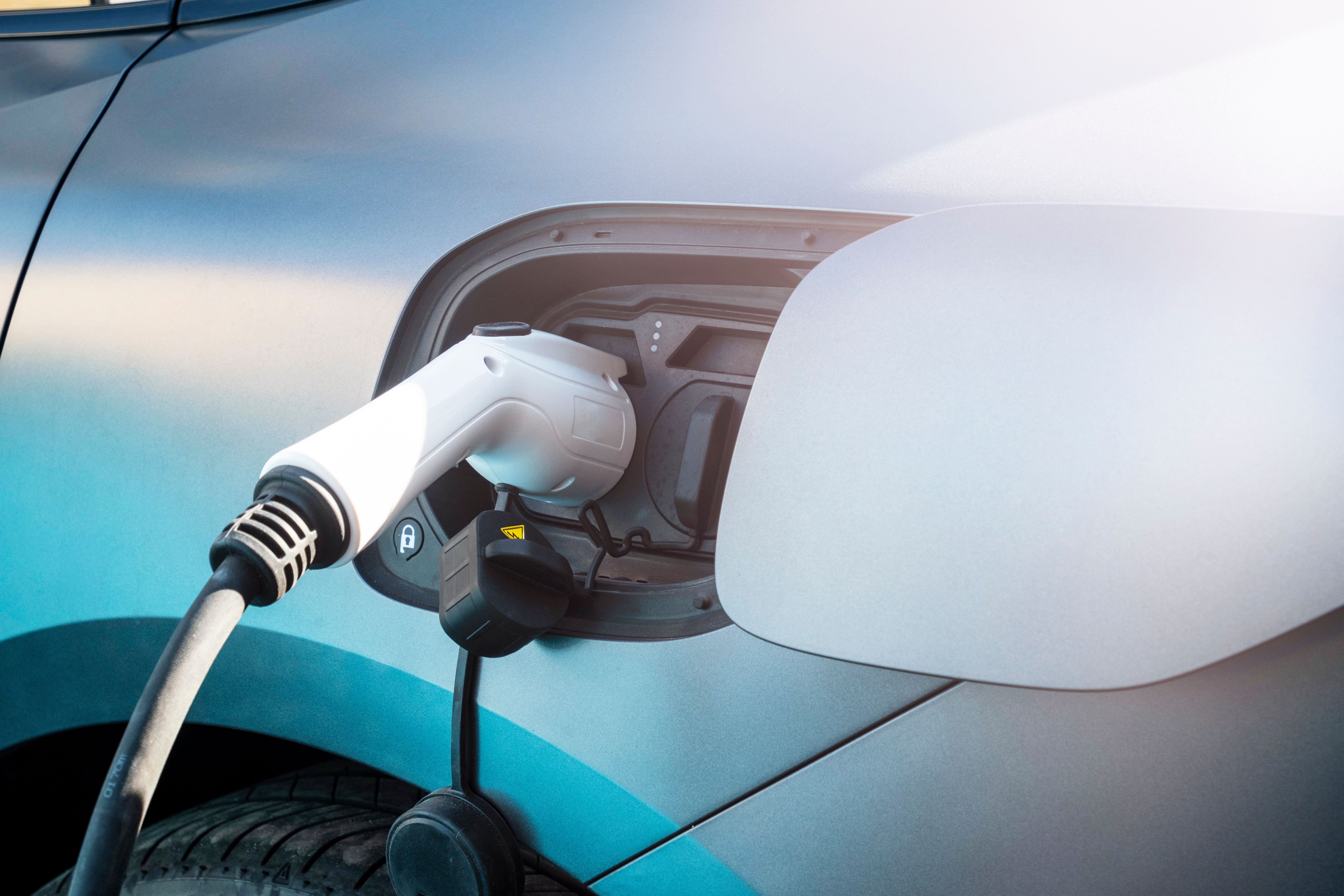
The Victorian government offers incentives to encourage the use of low-emission vehicles. These incentives include reduced registration fees and rebates for purchasing electric or hybrid cars. Such measures aim to promote a shift towards more environmentally friendly transportation options.
Future of Vehicle Emissions in Melbourne
Looking ahead, Melbourne is committed to further reducing vehicle emissions. The city is investing in public transport infrastructure and encouraging the adoption of electric vehicles as part of its long-term sustainability goals.
The government continues to review and update regulations to keep pace with technological advancements and environmental needs. Staying informed about these changes is essential for vehicle owners and businesses alike.
Conclusion
Understanding local regulations for vehicle emissions in Melbourne is crucial for contributing to a cleaner environment. By adhering to these regulations and embracing sustainable practices, vehicle owners can play a significant role in improving air quality and public health.
As Melbourne continues to evolve, staying informed and proactive will ensure that the city remains a leader in environmental sustainability and innovation.