
Understanding the DPF Cleaning Process: An Expert's Insight
SS
Introduction to DPF Cleaning
The Diesel Particulate Filter (DPF) is an essential component in modern diesel engines, designed to reduce emissions by capturing soot and other particulates. Over time, the DPF can become clogged, affecting performance and efficiency. Understanding the DPF cleaning process is crucial for maintaining your vehicle's health and ensuring it meets environmental standards.
Why DPF Cleaning Is Essential
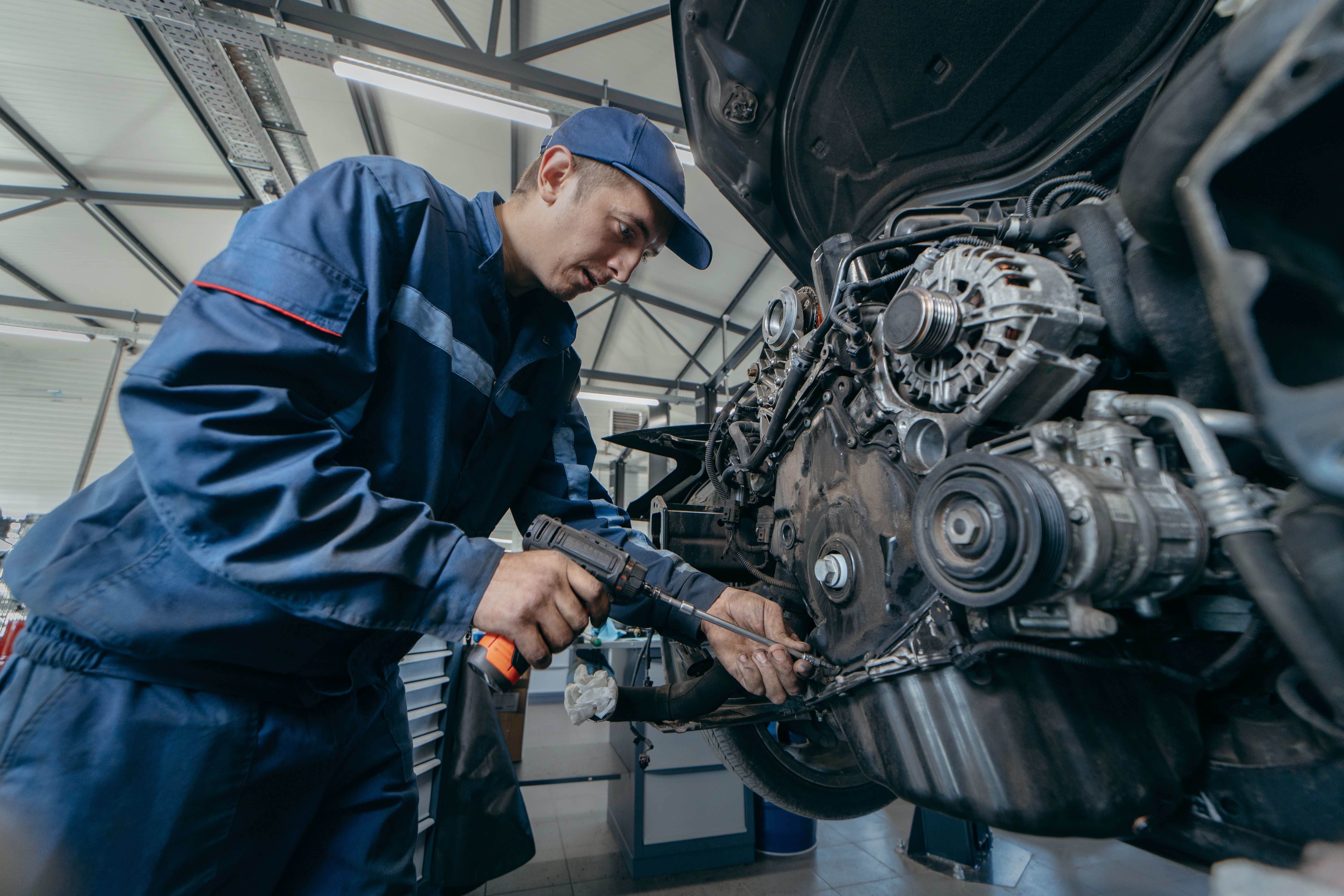
Regular cleaning of the DPF is vital for several reasons. Firstly, a clogged DPF can lead to increased fuel consumption as the engine works harder to push exhaust gases through a blocked filter. Secondly, a well-maintained DPF helps in reducing harmful emissions, contributing to a cleaner environment. Lastly, neglecting DPF maintenance can result in costly repairs or replacements.
The DPF Cleaning Process
The DPF cleaning process typically involves several key steps. Here's an overview:
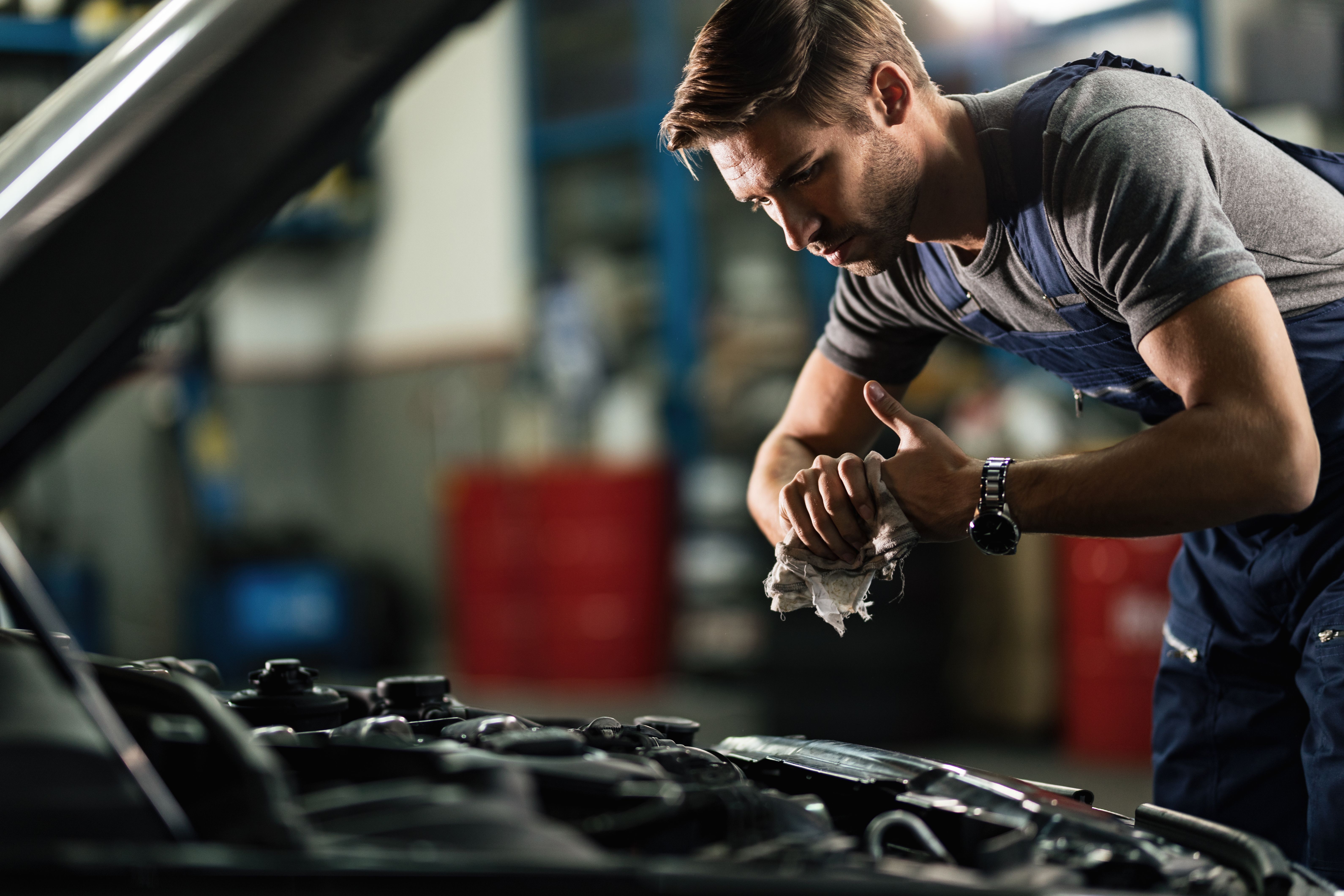
- Inspection: Before cleaning, the DPF is thoroughly inspected to assess the level of blockage and determine the most effective cleaning method.
- Removal: If necessary, the DPF is removed from the vehicle for a more comprehensive cleaning.
- Cleaning: Various techniques, such as thermal, chemical, or ultrasonic cleaning, are employed to remove soot and ash from the filter.
- Reinstallation: Once clean, the DPF is reinstalled, and the vehicle is tested to ensure proper function.
Different Cleaning Methods
There are several methods for cleaning a DPF, each with its own advantages:
- Thermal Cleaning: This method involves heating the DPF to high temperatures, burning off the soot and ash.
- Chemical Cleaning: Specialized chemicals dissolve and remove particulates, often used in combination with other methods.
- Ultrasonic Cleaning: High-frequency sound waves break down and remove particles, providing a thorough clean.
Choosing the Right Method
The choice of cleaning method depends on the level of blockage and the specific requirements of the DPF. It's important to consult with a professional to determine the most suitable approach for your vehicle. A personalized approach ensures that the cleaning process is effective and prolongs the lifespan of the DPF.
Regular Maintenance and Prevention
In addition to professional cleaning, regular maintenance can help prevent DPF blockages. This includes using high-quality fuel, ensuring proper oil changes, and avoiding short trips that don't allow the engine to reach optimal temperatures. Such practices help maintain the efficiency and longevity of the DPF.
Conclusion
Understanding the DPF cleaning process is integral to maintaining your vehicle's performance and adhering to environmental regulations. By keeping your DPF clean and functioning correctly, you not only enhance your vehicle's efficiency but also play a part in reducing harmful emissions. Regular maintenance and expert guidance are key to ensuring your DPF remains in top condition.